By Raymond Nash
Generational Wealth Transfer Strategies
Business Succession with Non-Participating Children
We are entering the era for the Great Wealth Transfer where $84 trillion is expected to be passed down to the next generation over the next 20 years. Ultra wealthy families need to approach this transition with comprehensive, multi-faceted plans and should rely on guidance from their advisory team to navigate the complexities of the process.
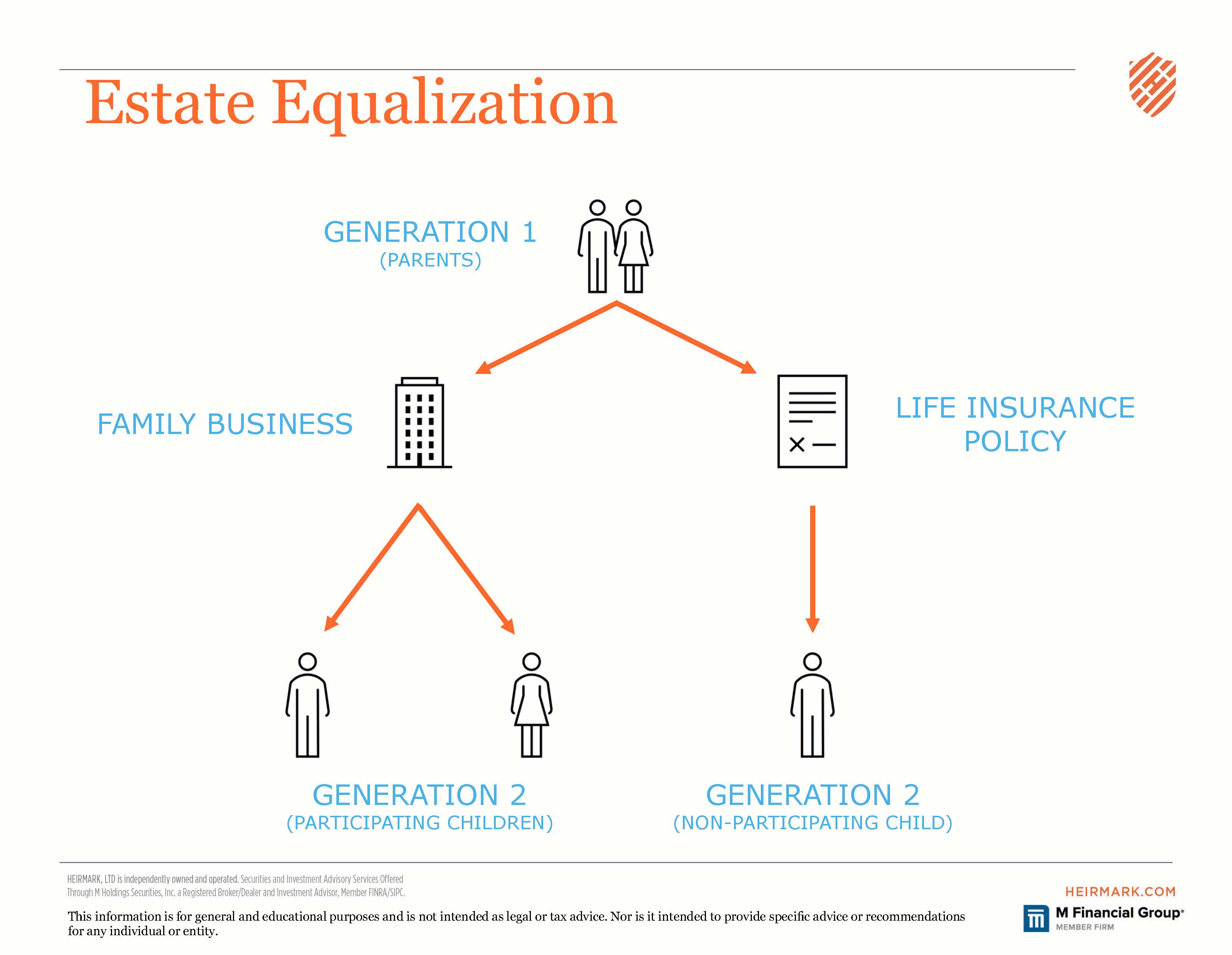
Business owners frequently have some children joining the business, while others cannot or do not wish to participate. A problem can occur when a closely held business is left to all children equally, even those who do not participate. This can create animosity in the relationships of the siblings for years to come. Inactive children will likely want cash distributions, while active children will want to invest profits back into the business. Active children may seek lucrative salaries and benefits, while inactive children will likely seek to minimize such expenditures. Sometimes the business real estate is left to the inactive children, who in turn lease the property back to the business, which is then owned by the active children. This can be tricky, because the reasonableness of the lease payments will likely be brought into question. Usually, the parents’ number one goal is to ensure that their children and grandchildren maintain good relationships long after they are gone. Therefore, it is imperative that they seek forms of wealth distribution that offer a meaningful distribution of assets and at least provide a foundation to foster harmony among the family members.
Life insurance can be a key ingredient to accomplish this. The business can be left to active children, and the life insurance can then be left to inactive children. The active children will need to be good stewards of the business to earn their rewards or sustain the losses of poor management. Meanwhile, the inactive children will receive cash from the life insurance proceeds, and they must be good stewards of the cash by investing wisely and responsibly. Additionally, the business can help fund the life insurance that benefits the inactive children by using some type of a split dollar arrangement. Using life insurance for estate equalization can often be accomplished with existing life insurance or any new life insurance that might be implemented.
Contact us with any questions or opportunities to help you or your clients achieve identified goals. This is what we enjoy doing for only a select number of families, businesses, and charitable institutions each year, and we look forward to hearing from you.