By Raymond Nash
Learning from Celebrity Experiences
Rob & Michele Reiner
Celebrities facing financial planning challenges often find their stories making headlines. These experiences serve as valuable learning opportunities, highlighting pitfalls to avoid when assembling a financial portfolio. The attention these cases receive sparks public discussion and may influence future approaches to constructing a lucrative financial plan.
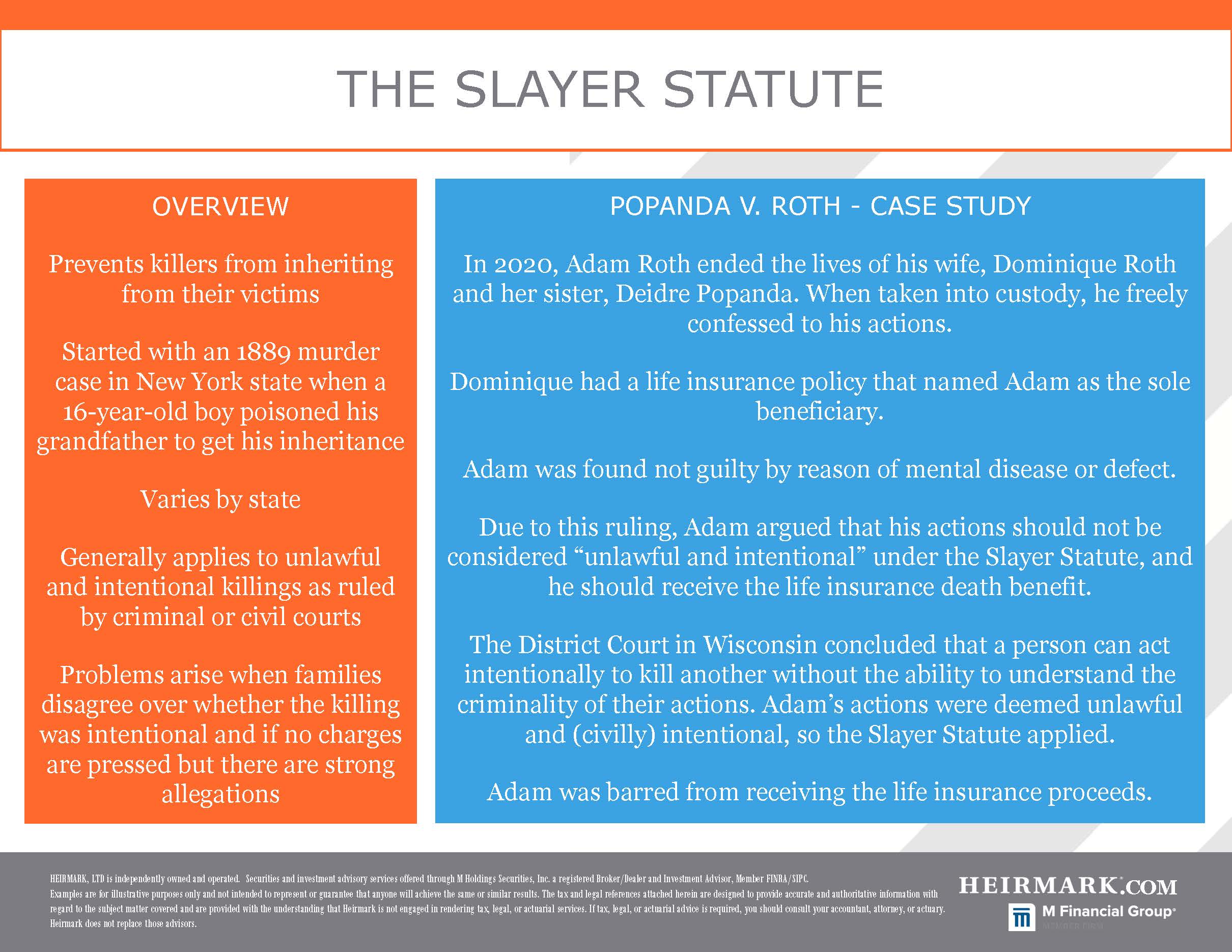
On December 14, 2025, Rob and Michele Reiner were tragically killed in their home, and their son, Nick Reiner, has been arrested and charged with their murders. A trial to determine his defense has yet to begin, but reports indicate that Nick has faced substance abuse and mental health challenges for years. This unfortunate situation instigates important discussions regarding the Slayer Statute and its implications for life insurance proceeds when a beneficiary is suspected of killing the insured.
The Slayer Statute, which varies by state, generally prohibits individuals from benefiting from the murder of another person. In California (where Reiner resides), this statute applies to various aspects of estate planning, including wills, trusts, intestate succession, life insurance, jointly held property, and fiduciary capacity. When the Slayer Statute is invoked, the killer is treated as if they predeceased the victim. If a primary beneficiary is disqualified, their share of the death benefit is distributed equally among other beneficiaries or to the insured’s estate if no other beneficiaries exist.
The Slayer Statute requires the killing to be intentional and felonious; accidental deaths or self-defense incidents do not automatically disqualify the beneficiary. If convicted in criminal court, the murderer is definitively barred from receiving the death benefit. Conversely, if the verdict is not guilty or not guilty by reason of mental disease or defect, the victim’s estate can pursue civil action, where the burden of proof is lower. Additionally, insurance carriers may withhold benefits if an investigation into the insured’s death is ongoing, and they can file an interpleader complaint to seek a court ruling on the rightful recipients of the funds.
This case underscores the importance of thorough estate planning to solve problems that don’t yet exist. Planning for the unthinkable can mitigate future complications for families. When establishing a life insurance policy, it is prudent to consider naming a contingent beneficiary or to include provisions in the life insurance trust. This ensures that the proceeds are distributed differently if the Slayer Statute comes into play. Thoughtful planning in these areas can provide clarity for loved ones during difficult times.
We welcome any questions or opportunities to assist you or your clients in achieving identified goals. We take pride in serving a select number of families, businesses, and charitable institutions each year, and we look forward to hearing from you.