By Raymond Nash
Women’s History Month
Planning for the Future
Women’s History Month is celebrated in March every year. It’s a time to celebrate the contributions that women make across all sectors of society and to raise awareness of gender inequalities.
As women continue to excel, more and more of the United States’ wealth is falling under their control. Women currently hold about one-third of the wealth in the United States, around $10 trillion. The other two-thirds of wealth is controlled by men, but 50% of women over 65 outlive men, and some of those wealthy men have wives and daughters who will inherit their wealth. Considering inheritances and other factors, women are estimated to gain control of $30 trillion by the end of the decade. While wealth is not the sole factor to measure the success of womankind, we are considering it here to highlight that some of the women who currently have, or who will inherit, wealth have not completed any financial planning. The financial industry as a whole has historically been neglectful of the unique issues that impact planning for women.
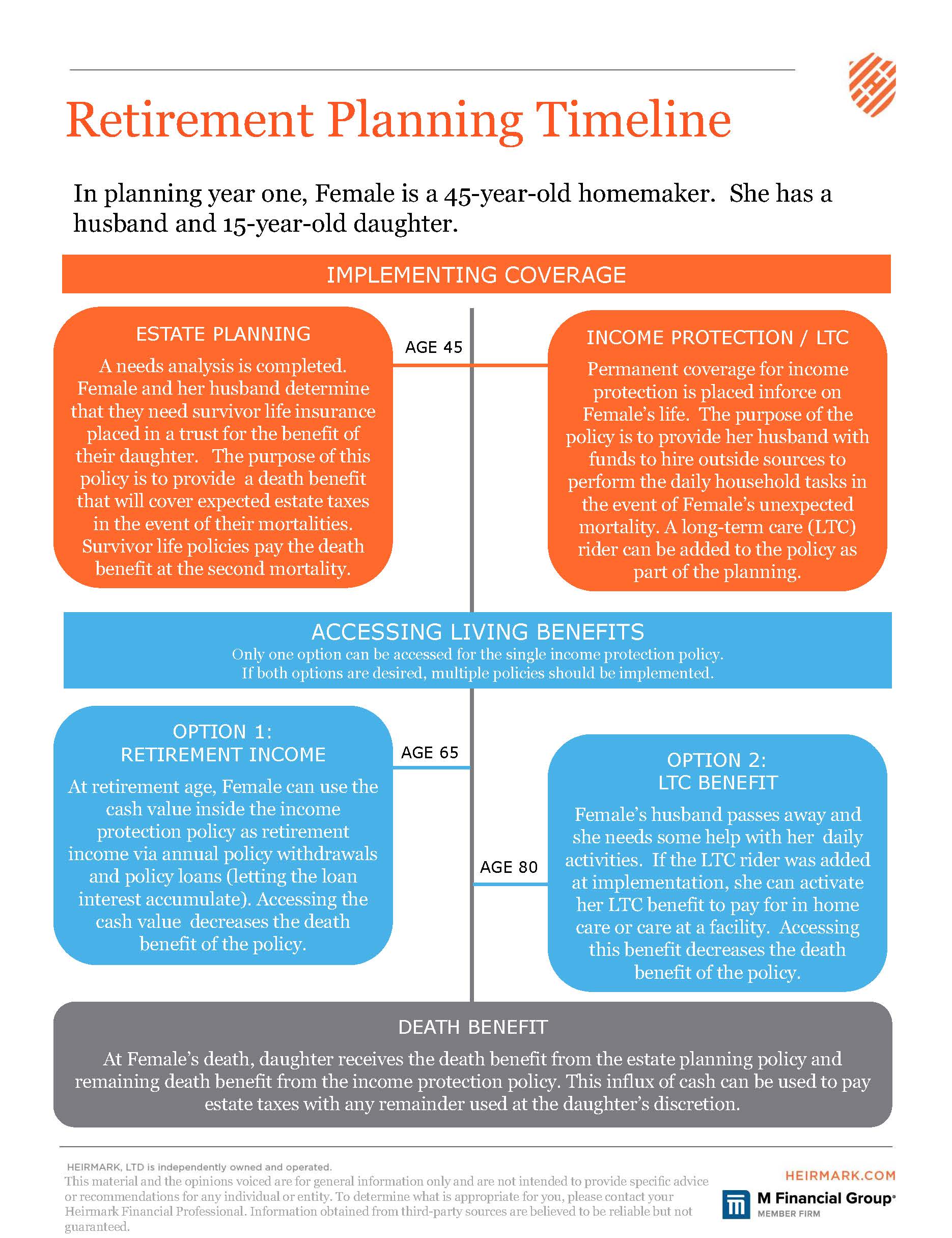
A big area of concern when considering women’s financial portfolios is retirement planning. Women still earn considerably less than men. Along with time off for maternity leave and unpaid leave when serving as caregivers for aging parents, women are more likely to have less saved for retirement. Statistically, women are the main caregivers in most American families and will outlive their male partners. A robust retirement plan should include considerations for retirement income, the risk of suffering an early mortality, the possibility of experiencing a long-term care event, and a plan for outliving expected caregivers.
There are many nuances to explore when it comes to retirement planning, and reliance on a team of trusted advisors for guidance is imperative when trying to get the planning right. Contact us with any questions or opportunities to help you or your clients achieve identified goals. This is what we enjoy doing for only a select number of families, businesses, and charitable institutions each year, and we look forward to hearing from you.