By Raymond Nash
Tax Season
Tax-Advantaged Policy Loans
During the month of April, we turn our attention to taxes. Life insurance provides a few tax advantages. One often overlooked advantage is accessing the cash value inside a permanent life insurance policy by requesting a policy loan.
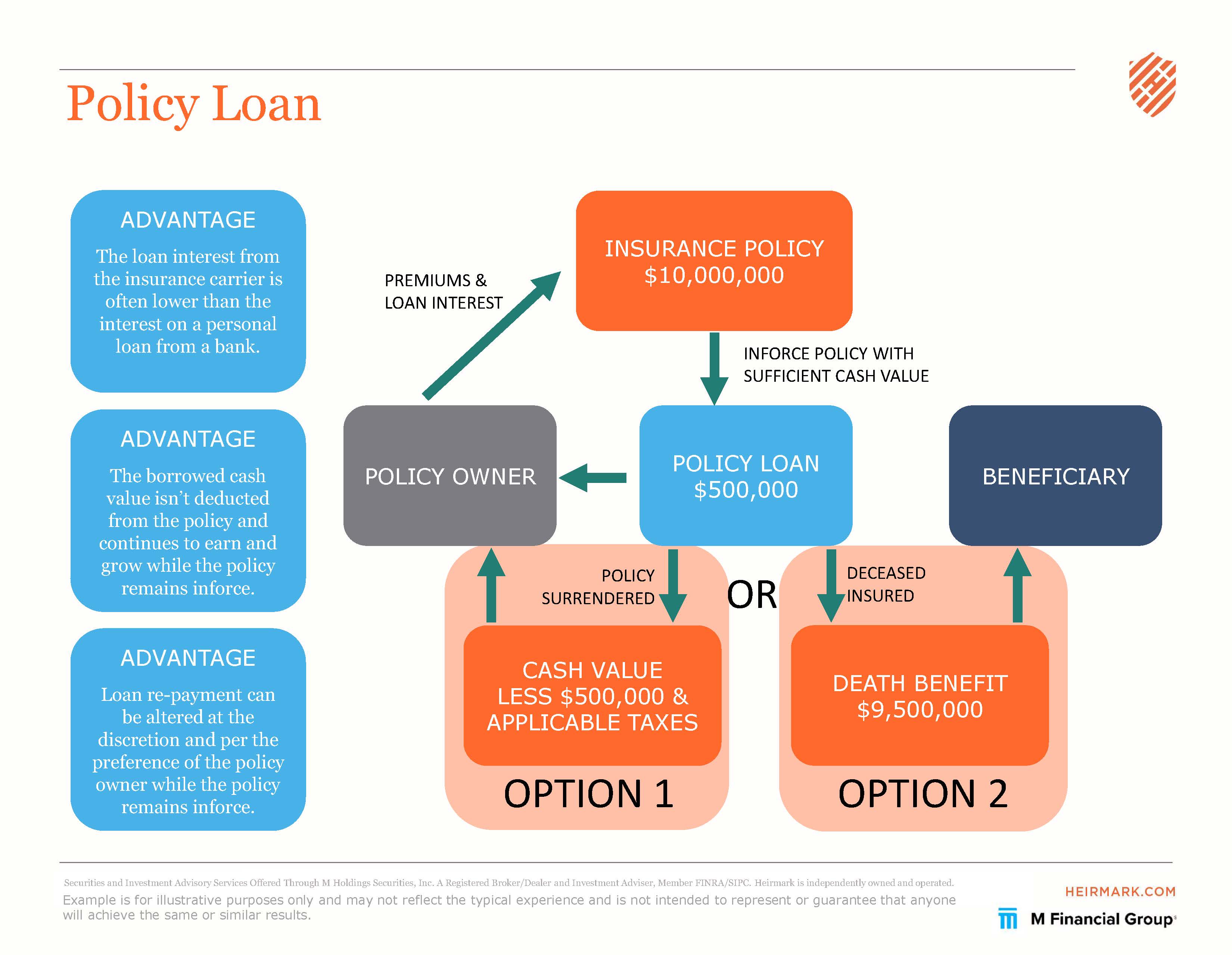
Policy loans are a means of accessing life insurance policy cash values within a permanent life insurance policy without having to surrender the policy. When contemplating a policy loan, the policy owner would first consider making a withdrawal from the life insurance policy. The cash value can be withdrawn up to the cost basis (the amount of the total premiums paid into the policy) without incurring taxes. A withdrawal of any gains in the policy would be taxed as ordinary income. Any amount that is needed from the cash value over cost basis should be accessed via a policy loan.
Policy loans are a contractual right within a life insurance policy. All states require the inclusion of a policy loan provision in permanent policies. Insurance carriers must honor requested loans to policy owners when there is sufficient cash value inside the policy. Policy loans are collateralized internally by the policy cash value, subject to internal interest rates that are determined by the insurance carrier.
A policy loan is not generally considered a taxable event. However, this tax treatment relies upon the policy remaining in force until the insured’s death, and not becoming a Modified Endowment Contract (MEC). When a policy is terminated other than by the insured’s death, any outstanding loans are taxable at ordinary income tax rates to the extent there is gain in the policy above basis.
Any distribution from a MEC, including policy loans, are treated as income first and cost basis last (LIFO or last in, first out). Therefore, a policy loan from a MEC is treated as ordinary income on any gain in the policy.
Loans may be carried over to a new life insurance policy via an IRS section 1035 exchange, subject to the requirements of the receiving insurance carrier. However, if a loaned policy is pledged as collateral, potential tax consequences should be reviewed prior to initiating the transaction.
Contact us with any questions or opportunities to help you or your clients achieve their goals. This is what we enjoy doing for only a select number of families, businesses, and charitable institutions each year, and we look forward to hearing from you.
The tax and legal references attached herein are provided with the understanding that Heirmark is not engaged in rendering tax, legal, or actuarial services. If tax, legal, or actuarial advice is required, you should consult your accountant, attorney, or actuary. Heirmark does not replace those advisors.