By Raymond Nash
Section 70106 of H.R. 1 Tax Law
Retirement Planning Strategy
On July 4, 2025, Section 70106 of H.R. 1 was signed into law, creating a blueprint for future estate planning. The estate and gift tax exemption has been established at $15 million for individuals and $30 million for married couples. These limits do not have an impending sunset and are indexed for inflation, so affluent households can make plans around these amounts. Those who discover that their heirs will incur a large estate tax can use discounted dollars to pay premiums on life insurance, earmarking the death benefit to offset the tax burden.
Likewise, Section 199A (Qualified Business Income (QBI)) deduction has been established without an impending sunset. The deduction will remain at 20% indefinitely for certain pass-through businesses, trusts, and estates. There are nuances to this deduction that should be explored with your tax advisor to determine if you qualify.
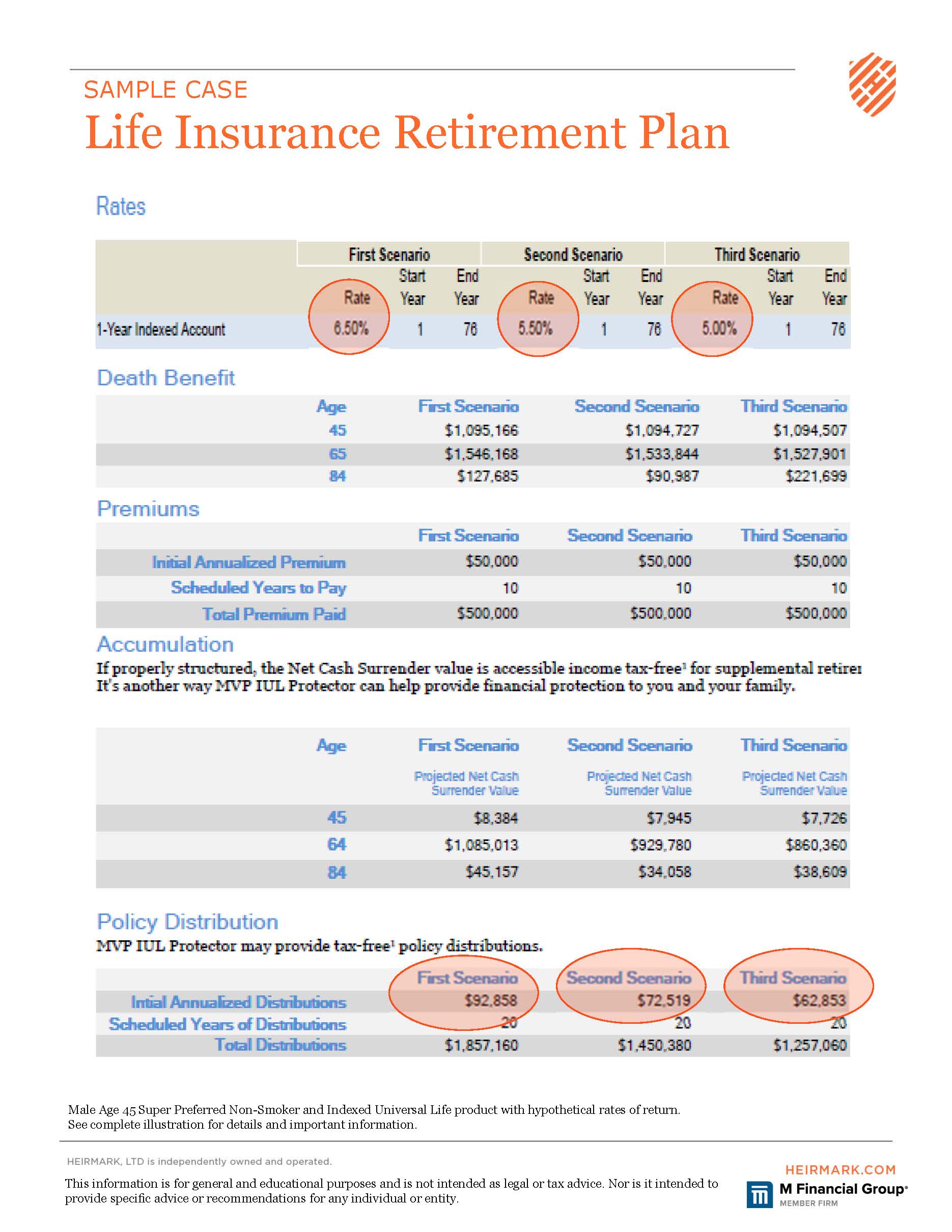
If a business is able to take this deduction, it might be beneficial for the business owner to invest the tax savings into a retirement vehicle. This can be accomplished via a Life Insurance Retirement Plan (LIRP). A LIRP uses a permanent life insurance policy to accumulate cash value and create a schedule of deferred distributions that can be used as supplemental retirement income.
There is no restriction in adding this strategy to your existing qualified or non-qualified planning. A participant may select a contribution amount without encountering any contribution limits imposed by the IRS, such as those in a 401(k) or IRA. This can be beneficial to high-income individuals who have hit the limits on their other retirement vehicles.
Inside a life insurance policy, the cash value grows on a tax-deferred basis. Withdrawals from the cash value are tax-free up to the policy’s basis, and policy loans are tax-free (albeit subject to loan interest), which can create substantial after-tax income. Once the distributions are made, the remaining death benefit of the LIRP can be tax-free to the beneficiaries if the policy is properly structured.
Contact us with any questions or opportunities to help you or your clients achieve identified goals. This is what we enjoy doing for only a select number of families, businesses, and charitable institutions each year, and we look forward to hearing from you.